

Pine Wood
Company advantage
24h Online Service
You can contact us to inquire about pre-sales, sales, and after-sales services, and we will give you a very satisfactoryWe are at your service online 24 hours a day.
Rich Technical Experience
Our staff are some of the most experienced in the industry, providing product-correct advice and solutions, ensuring we provide our customers with technical expertise and service.
Strictly Control The Procurement
Insist on quality first, pursuing the concept of integrity, keep quality promise, establish a good corporate reputation and social image, improve customer satisfaction and customer.
One-stop Solution
With rich experience and one-to-one service,we can help you choose products and answer technical questions.


What is Pine Wood
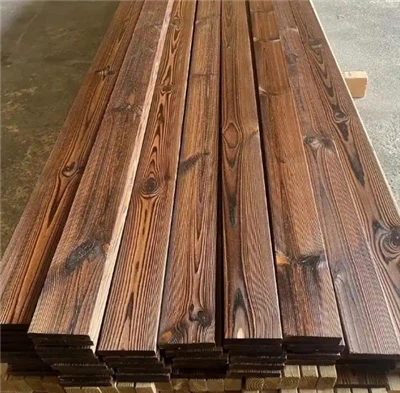
Pine wood is a type of softwood derived from pine trees, which belong to the genus Pinus within the family Pinaceae. These evergreen coniferous trees are found in many parts of the world, especially in the Northern Hemisphere. Pine trees grow quickly, making pine wood a readily available and renewable resource.Pine wood varies in color and texture depending on the species, but it generally ranges from pale yellow to reddish-brown. The heartwood is often darker than the sapwood. The wood has a relatively open grain structure with knots and growth rings that are clearly visible.
Benefits of Pine Wood
Aesthetic Considerations
Pine has a blonde colour that can stand alone or with a finish. It has a distinctive grain pattern that is particularly beautiful for timber flooring. It also looks great as timber fencing or as timber flooring.
Easy to Work With
Pine is a bit softer, making it easy to work with. Whether you are using hand tools or power tools, pine is easy to cut, nail or carve. It holds stains and other finishes easily. Pine is so easy to work with that projects tend to finish faster due to ease of construction.
Cost Effective
Pine is so common and easy to harvest that it costs a lot less than many hardwood species. It is strong and durable, especially when used indoors, giving more performance for your money.
Strong and Durable
While pine is classified as a softwood, it is strong and durable enough for a variety of applications. It makes great timber flooring or decking and can handle heavy foot traffic. When used outside, it needs to be treated with CCA or non-toxic ACQ. These treatments make it as resistant to insects and rotting as any hardwood.
Sound Insulation
Pine tends to muffle or insulate sound better than most timbers. If you want timber that absorbs noise and also helps make outside noise softer, pine works extremely well.
What are the Applications of Pine Wood
Furniture
Pine Wood is a wonderful material for furniture projects. Many cabinetmakers like to utilize knotty pine wood and plywood instead of plywood.pine wood furnitureFor better furniture, look for a hardwood that is resistant to shock, has a great color, and has good hardness. The wood of pines contains all of these qualities.Check the latest tv stand designs wooden in pine wood here.Some pine species are not recommended for furniture making due to the many defects they have (such as knots or discoloration). Pines are usually suitable.
Moldings and Trim
It is simple to work with since it is a pine softwood.For moldings and trimming, the wood must be very workable. Because tiny hand tools and equipment are used for this. This is generally difficult using other hardwoods because they don't have the same workability as Douglas fir.
Flooring and Decking
Most individuals choose hardwood for flooring. However, pressure-treated pine wood may be a low-cost alternative. If properly maintained, its lifespan can reach 15 years or more.The decking is exposed to weather and soil daily. After logging, pines do not have the same insect- or decay-resistant characteristics as other trees. As a result, pressure-treated pine is preferable for outdoor wooden constructions.
Ornamental and food
There are various dwarf and beautiful pine species to choose from. Which are utilized as park trees and large gardens in Europe. In many nations, pines are commercially cultivated and harvested for Christmas trees.
Types of Pine Wood
Eastern White Pine
This type of pine wood is native to the northeastern United States and eastern Canada. It is known for its soft, light-colored wood that is easy to work with and takes stain well. Eastern white pine is often used for furniture, trim, and paneling.
Ponderosa Pine
Ponderosa pine is a softwood tree that is native to western North America. It is a popular choice for construction lumber, as it is strong and durable. Ponderosa pine is also used for furniture, cabinets, and paneling.
Lodgepole Pine
Lodgepole pine is another softwood tree that is native to western North America. It is known for its straight grain and consistent color, making it a popular choice for furniture, paneling, and cabinetry.
Southern Yellow Pine
Southern yellow pine is a group of pine species that are native to the southeastern United States. It is a strong and durable wood that is often used for construction, decking, and fencing.
Radiata Pine
Radiata pine is a fast-growing softwood tree that is native to California and Chile. It is often used for furniture, cabinets, and paneling due to its consistent color and straight grain.

The color, texture, and grain of pine wood will reveal its origin. Pine heartwood is light brown to reddish-brown, with paler sapwood colors of yellow or white.how to identify pine woodThe hue darkens over time. Pine Wood has a lot of dark brown circle knots in it. Due to this feature, they are given particular significance.
People also prefer pine wood for almirah or a wardrobe for their home as well. Check the wooden almirah designs here made with pine wood.Pine features open grain that is medium to large. It's quite simple to work with, as a result of its open grain. However, because it has open grain, it absorbs moisture rapidly.Working on Eastern White Pine and Northern Red Pine has a mild, aromatic fragrance that fades after drying. The decay resistance of pine heartwood is rated as moderate to poor.
Pine Wood Features
Softness
Pine is softer compared to hardwoods, which makes it easier to cut, shape, and carve. However, this also means it is less durable and more susceptible to dents and scratches.
Lightweight
Pine is lighter than most hardwoods, which can be advantageous in applications where reduced weight is desirable, such as in construction or furniture-making.
Resin Content
Many pine species have a high resin content, which can give off a characteristic scent. Resin can also make the wood more difficult to paint or finish because it may resist adhesion.
Workability
Pine wood machines well and can be nailed, screwed, glued, and finished without much difficulty. It is a common material for DIY projects and mass-produced furniture.As a fast-growing tree species, pine is often cultivated in managed forests, making it a more sustainable option compared to slow-growing hardwoods.
Insulation Properties
Due to its lower density, pine has good insulation properties against heat and sound.Pine wood is generally less expensive than hardwoods, making it a cost-effective choice for a wide range of construction and manufacturing purposes.
Moisture Absorption
Pine wood can absorb moisture relatively easily, which means it needs to be treated or sealed to prevent warping, swelling, or rotting, especially in outdoor applications.
How to Choose Pine Wood
Determine the Application
Decide what the pine wood will be used for. Construction projects require different considerations than furniture making or decorative items. For example, structural components need to be free from major defects, while decorative pieces might allow for more character.
Grade of the Wood
Pine wood is typically sold in several grades, which reflect its quality and suitability for different uses. Here are the common grades:Select Grade: Contains very few blemishes and knots, suitable for high-end furniture and fine woodworking.No. 1 Common: Has some knots and blemishes but overall is clear and straight-grained, suitable for most general purposes.No. 2 Common: Has more knots, defects, and character marks, usually used for rougher construction and projects where appearance is not critical.Utility Grade: Contains the most imperfections and is generally used for non-structural projects or where the wood will be covered or hidden.
Consider the Type of Pine
There are numerous species of pine trees, each with its own characteristics. Some common types include:
Yellow Pine: Known for its strength and durability, often used in construction.
White Pine: Smoother and lighter in color, preferred for furniture and finishing work.
Ponderosa Pine: Has a distinctive grain pattern and is used for both construction and furniture.
Sugar Pine: One of the softest pines with a fine grain and light color, suitable for molding and carving.
Check for Defects
Inspect the wood for any defects like large knots, splits, cracks, or warping. While some character marks can add charm to a piece, significant defects can compromise the wood's strength and appearance.
Assess the Grain and Texture
Look for a straight grain that runs parallel to the length of the board for the best strength. Texture can vary from fine to coarse, which can affect the wood's finish and how it takes stain or paint.
Measure the Dimensions
Make sure you purchase enough lumber with the correct dimensions for your project. Pay attention to the thickness, width, and length of the boards.
Consider the Moisture Content
Ideally, you want wood that has been kiln-dried to a moisture content appropriate for your climate to prevent future warping or shrinking. Ask the supplier about the moisture content of the lumber.
Budget
Pine wood ranges in price based on grade and type. Determine your budget and look for the best value within your price range that meets your project requirements.
Clean Regularly
Dust pine wood with a soft cloth or a microfiber duster to remove dust particles. For tougher stains or spills, use a mild soap solution and a soft brush, then wipe clean with a damp cloth. Always follow up with a dry cloth to prevent moisture from lingering on the surface.
Protect Against Moisture
Since pine wood absorbs moisture easily, it should be kept away from areas with high humidity and direct water contact. Use coasters under drinks and place rugs or mats in high-traffic areas to prevent scratches and water rings.
Seal and Finish
To protect the wood from moisture, apply a suitable sealant or finish. Varathane, Tung oil, or linseed oil are common options for pine. These finishes penetrate the wood and provide a protective barrier against water and dirt.
Refinish as Needed
Over time, the finish on pine wood can become worn or damaged. Sand the wood lightly to remove the old finish and any imperfections. Then apply a fresh coat of finish to restore the wood's appearance and protect it from further damage.
Prevent Sun Damage
Exposure to direct sunlight can cause pine wood to fade and dry out. Consider using curtains, blinds, or UV-protective films on windows to reduce sun exposure.
Address Warping and Cracking
If your pine wood starts to warp or crack due to moisture imbalance, you might need to address the underlying issue (like leaky pipes or excessive indoor humidity) and then carefully sand the wood to level it out. Reapply finish to help stabilize the wood.
Inspect for Pests
Regularly inspect pine wood for signs of infestation by pests like termites or carpenter ants. If you find any evidence, treat the wood according to professional advice to prevent further damage.
How is Pine Wood Treated to Prevent Rot?
Pressure-treated
Pine wood can be pressure-treated with preservatives that help to protect against rot, decay, and insect damage. The preservatives are forced deep into the wood fibers under high pressure, which helps to ensure long-lasting protection.
Borate-treated
Borate-treated pine wood is treated with a borate solution that helps to prevent fungal decay and insect damage. The solution is applied to the surface of the wood and penetrates into the fibers, providing long-lasting protection.
Chemical preservatives
Pine wood can be treated with chemical preservatives that help to prevent decay and insect damage. These preservatives are applied to the surface of the wood and penetrate into the fibers to provide long-lasting protection.
Sealants
Pine wood can be treated with a sealant or protective coating that helps to prevent moisture damage and decay. The sealant is applied to the surface of the wood and helps to create a barrier against water and other environmental factors.
Stains and paints
Pine wood can be treated with a stain or paint that helps to protect against moisture damage and decay. These treatments help to seal the surface of the wood and prevent water from penetrating the fibers.
Our factory
Caoxian Lulinfeng Machinery Co., Ltd. (formerly Shandong Caoxian Linfeng Machinery Factory) is a dedicated woodworking machinery manufacturer integrating R&D, manufacturing, sales and integration. Since the establishment of the company in 2006, it has been adhering to the principle of "reputation first, customer first" , Has won the trust of domestic users with the principles of integrity, trustworthiness and innovation. Now it has become one of the important domestic woodworking machinery manufacturers. The products are sold all over the country, which has played a strong role in promoting the development of China's board industry.The company mainly produces various wooden crafts such as straight-jointed boards, finger-joined boards, multi-layer boards, furniture fittings and so on. Our products are flexible in manufacturing, based on customer requirements, what kind of products you need, we guarantee to produce products that satisfy you.

FAQ
As one of the leading pine wood suppliers in China, we warmly welcome you to wholesale high-grade pine wood made in China here from our factory. All our products are with high quality and competitive price.
pinewood flooring wood, white oak stain on pine, 1x4 pine beams