

Laminated Board
What is Laminated Board?
Laminated board is a type of composite wooden board that is made by bonding together several layers or sheets of wood, usually with an adhesive. The outer layers can be made from veneer or plywood, while the inner layers are typically composed of milled wood fibers or particleboard. The resulting board is strong, durable, and resistant to warping, splitting, and cracking. Laminated boards are commonly used in furniture, cabinetry, building construction, and other applications where strength and stability are important. They can also be manufactured with a variety of finishes to simulate different types of wood.
Why Choose Us

24h Online Service
You can contact us to inquire about pre-sales, sales, and after-sales services, and we will give you a very satisfactoryWe are at your service online 24 hours a day.
Rich Technical Experience
Our staff are some of the most experienced in the industry, providing product-correct advice and solutions, ensuring we provide our customers with technical expertise and service.
Strictly Control The Procurement
Insist on quality first, pursuing the concept of integrity, keep quality promise, establish a good corporate reputation and social image, improve customer satisfaction and customer.
One-stop Solution
With rich experience and one-to-one service,we can help you choose products and answer technical questions.


Advantages of Laminated Board
Laminates are made to last. Compared to other surfacing materials, they are much more resistant to moisture and wear and tear. That is the reason why they can be used in areas that have high humidity. The process of manufacturing laminates includes kraft paper that makes it an exceptionally durable surfacing material.
Laminate is a prefinished product. Unlike paint or tile that needs finishing after applied, laminate is prefinished, which means you don’t have to worry about finishing details. They are easy to install and saves you time and the cost of labor.
Laminate is an engineered material that offers a natural look and feel. Some key characteristics, such as durability and moisture resistance, makes it a preferred surfacing solution over other surfacing material such as wood that is more likely to warp and prone to scratches. You get the look of a natural surface while being guarded against the flaws of any other surfacing material.
Laminate is a low-maintenance, stain-repellent material which is one of the main reasons behind its popularity. You simply have to wipe the surfacing for dust every once in a while without having to worry about scratches, stains, or engaging in a more rigorous maintenance regimen. This saves you from having to invest in cleaning solutions and having the surface renewed every once in a while as you would with options such as paint.
Types Of Laminated Board
Matte-Finish Laminates:These laminates give a matte-finish touch to the surface. They are scratch and dust resistant. These are one of the most preferred laminate finishes for the kitchen and other carpentry works. Many jobs need the work of knives in the kitchen. Due to negligence, some scratches on the counters would sometimes be formed here and there. If you select this type of laminate for the bar counter or platform in your kitchen, it will provide you with a scuff-free look. This type of laminates also imparts a particular sophistication to space in your kitchen. They are highly durable due to their Scuff and dust-free properties.
Glossy Laminates:These laminates have a reflective surface and mirror-like looks. These laminates showcase their elegance in their sweet manner. These laminates accentuate the space in your kitchen by focusing on the kitchen cabinets. These laminates provide a highly polished touch to your kitchen. They are available in both lighter as well as in brighter colours. But if you have less time for maintaining the kitchen, do not select these laminates for your kitchen areas. It is due to their high maintenance and cleaning demand.
Textured Laminates:These laminates provide a lot of natural surfaces like leather, wood, stone, etc. If you cannot decide on the pattern for your kitchen to go on, this type of laminate is the best option. Selecting the wooden-textured laminate will give your kitchen an evergreen texture and create the right contrasts for the fittings, materials, etc., that form the kitchen areas. This type of laminate provides elegance and richness to your kitchen. These laminates are long-lasting and do not show Scuff marks easily.
Metallic Laminates:These laminates provide a modern look to your kitchen with metallic finishing. It can work for both modern as well as contemporary homes. You have many metallic laminate options, such as brushed steel, stainless steel, gold, silver, and copper tones. These laminates are very expensive. However, using them wisely impart richness to your kitchen. Please remember that the edges of metallic laminates are very sharp, so take care while working in the kitchen and ensure good craft during their installation. However, these laminates are fire-resistant and are, therefore, highly suitable for kitchen use.
Application of Laminated Board
Furniture
Laminated board is commonly used as a material for making furniture such as wardrobes, cabinets, bookshelves, desks, and tables. It can be cut into different shapes and sizes to fit the desired design or pattern.
Flooring
Laminated board can also be used as an alternative to hardwood flooring. It is known for its durability and resistance to wear and tear. It also gives a modern and stylish look to any interior.
Interior Design
Laminated board can be used for interior wall panels, room dividers, and decorative elements. It can be used to create textured surfaces or to mimic the look of natural materials such as wood or stone.
Construction
Laminated boards are commonly used as wall sheathing, roofing, or subflooring. They are lightweight, durable, and easy to install, making them a popular choice in modern construction.
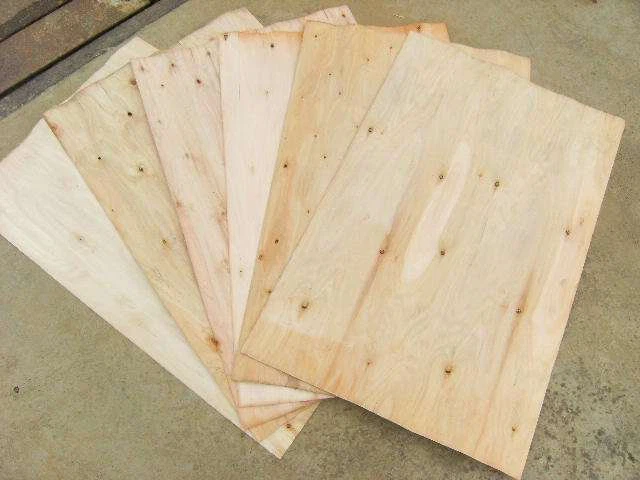
Laminated board is made of multiple layers of wood or other materials, typically glued together with a strong adhesive. The top surface of the board is coated with a decorative layer, usually made of paper or vinyl, which gives it a finished appearance. The core layers are often made of particle board or medium-density fibreboard (MDF), which are less expensive than solid wood but still provide strength and stability. Some laminated boards may also have a thin layer of metal or plastic sandwiched between the core layers for added durability and water resistance.
How to Maintain Laminated Board
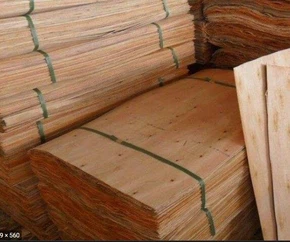
Regular Cleaning
The key to maintaining the beauty of laminated board is regular cleaning. Dust and dirt can accumulate over time, leading to a dull look. Just wipe the surface with a smooth, damp cloth to prevent this. Avoid using harsh chemical substances, as they can damage the finish. A mild, regular cleaning routine will keep your interior looking fresh. You can opt for some plant-based solutions which are very mild and cause no harms to the surface.
Protection From Moisture
Laminated board protect your surfaces from moisture damage, ensure it isn't always in direct contact with water for extended durations. Use water-resistant mats or coasters under items that can spill water. This simple precaution will help preserve the laminates’ beauty for years.
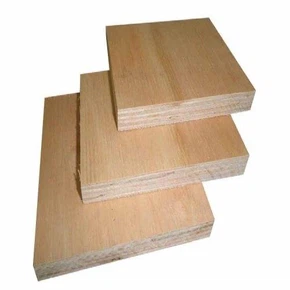
Preventing Borer And Termite Infestations
One of the standout features of laminated board is resistance to borers and termites. However, preventive measures are critical to ensure those pests stay far away. Regularly check the laminate for any signs and symptoms of infestation, including tiny holes or wooden dirt. Additionally, avoid storing wood materials infested with pests close to your laminated board, as they can act as carriers.
Use A Mild Soap To Get Rid Of Stains
Use very gentle and mild detergents to wipe off any stains on the decorative surfaces of your well-designed interiors, purely designed to be handled with care. Avoid using harsh soaps and detergents with a strong chemical composition, which can diminish the beauty of your laminates in the long run.
Determine The Purpose
The first thing you need to do is determine the purpose of the board. If you need a board for an indoor project, such as furniture or cabinetry, then you can opt for Medium Density Fiberboard (MDF) or Particle Board. However, if you require a board for outdoor construction, then you need to go for Exterior Grade Plywood or Marine Plywood.
Consider Thickness
The thickness of the board is another crucial factor to consider. If you need a board for a light-duty application, then you can opt for a thinner board. However, for heavy-duty applications, you need a thicker board to ensure stability and strength.
Look For Quality
Quality is essential when choosing a laminated board. Inferior quality boards can lead to warping, splintering, and cracking, which can compromise the durability and longevity of your project.
Check For Moisture Resistance
Moisture resistance is another essential factor to consider, especially if you plan to use the board in an area with high humidity or moisture content. You need to go for boards that offer moisture resistance, such as Marine Plywood or Exterior Grade Plywood.
Consider The Surface Finish
The surface finish is also important, especially if you plan to use the board for furniture or cabinetry. You need to choose a board with a smooth and uniform surface that is free from scratches, knots, and other imperfections.
How to Install Laminated Board
Measure The Area
First, measure the area where you want to install the laminated board. This will help you calculate the amount of board you will need and also help in cutting the board to the right size.
Prepare The Surface
Before installing the laminated board, make sure the surface is clean and flat. Remove any existing wall coverings or paint, and repair any holes or cracks. Make sure the surface is completely dry before installation.
Cut The Laminated Board
Use a saw to cut the laminated board to the correct size. Make sure to measure carefully and use straight cuts.
Apply Adhesive
Apply adhesive to the back of the board. Make sure to use an adhesive that is suitable for laminated board. There are different types of adhesives available depending on the surface you are installing the board on.
Install The Board
Gently place the laminated board onto the surface, making sure it is aligned correctly. Press down firmly to secure it into place. Use a roller or a flat board to remove any air bubbles and ensure good adhesion.
Cut Around Obstacles
Use a saw to cut the board to fit around any obstacles, such as light switches or outlets.
Finish The Edges
Install trim or molding around the edges of the laminated board to cover any gaps and create a clean finish.
Process of Laminated Board
Selection of wood species: The first step in creating laminated boards is to select the wood species to be used. Different types of wood have varying characteristics that affect the final product's strength, durability, and appearance.
Cutting and sizing: The selected wood species is then cut into smaller pieces and sized to the desired thickness. The pieces are then stacked and glued together.
Drying: The glued pieces are then dried in a kiln or air-drying process to remove any moisture. This helps to prevent the wood from warping or cracking.
Gluing: Once the wood pieces are properly sized and dried, they are glued together. Various types of adhesives may be used, such as phenol formaldehyde, urea formaldehyde, or epoxy.
Pressing: The glued wood pieces are then placed in a hydraulic press and squeezed together under high pressure. This process helps to ensure that the laminated board is uniform and structurally sound.
Trimming and sanding: Once the laminated board has been pressed and cooled, it is trimmed to the desired size and sanded to create a smooth surface.
Finishing: Laminated boards may be finished with a variety of decorative and protective coatings, such as paint, stain, or polyurethane.
Things to Note When Using Laminated Board
Firstly, it is important to choose a high-quality laminated board. Not all laminated boards are created equal, and some may be prone to chipping or warping. Look for boards with a thick, dense core and a durable overlay that will withstand wear and tear.
Secondly, it is important to use the right tools and techniques when cutting and drilling laminated board. Laminated board is harder and more brittle than solid wood, so it requires sharper blades and slower cutting speeds. Additionally, drilling holes in laminated board can cause the material to crack or split if not done carefully.
Thirdly, it is important to take precautions when joining laminated boards together. Because laminated board is less forgiving than solid wood, it is important to make sure that all joints are precisely aligned and clamped tightly to prevent gaps or seams.
Lastly, it is important to keep laminated board clean and free of moisture. Laminated board can be damaged by excess moisture, which can cause swelling or delamination of the layers. Use a soft, damp cloth to clean laminated board, and avoid exposing it to direct moisture or heat sources.
Since the establishment of the company in 2006, it has been adhering to the principle of "reputation first, customer first" , Has won the trust of domestic users with the principles of integrity, trustworthiness and innovation. Now it has become one of the important domestic woodworking machinery manufacturers. The products are sold all over the country, which has played a strong role in promoting the development of China's board industry.

FAQ
Q: What is laminated board?
Q: What are the advantages of laminated board?
Q: What are the different types of laminated board?
Q: What are common uses for laminated board?
Q: How is laminated board installed?
Q: How do I care for laminated board?
Q: Is laminated board eco-friendly?
Q: What is the difference between plywood, particleboard, and MDF?
Q: How is laminated board made?
Q: Is laminated board sustainable?
Q: Is laminated board durable?
Q: Are laminated boards strong?
Q: How long does laminated board last?
Q: Is laminated board waterproof?
Q: Is laminated wood better than wood?
Q: Is laminated wood slippery?
Q: Is laminate cheaper than wood?
Q: Is laminate a good option?
Q: Is laminate like plastic?
Q: Is laminate a melamine?
As one of the leading laminated board suppliers in China, we warmly welcome you to wholesale high-grade laminated board made in China here from our factory. All our products are with high quality and competitive price.
