

Hinoki Wood
Company advantage
24h Online Service
You can contact us to inquire about pre-sales, sales, and after-sales services, and we will give you a very satisfactoryWe are at your service online 24 hours a day.
Rich Technical Experience
Our staff are some of the most experienced in the industry, providing product-correct advice and solutions, ensuring we provide our customers with technical expertise and service.
Strictly Control The Procurement
Insist on quality first, pursuing the concept of integrity, keep quality promise, establish a good corporate reputation and social image, improve customer satisfaction and customer.
One-stop Solution
With rich experience and one-to-one service,we can help you choose products and answer technical questions.
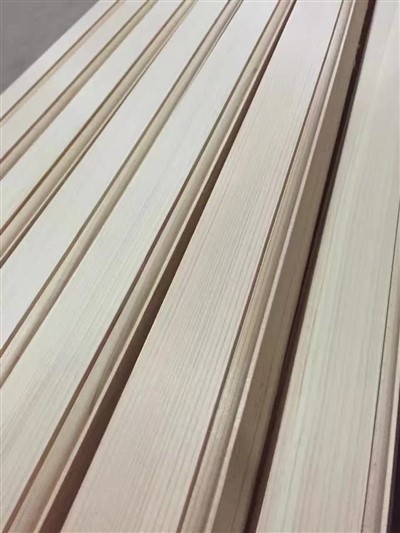


What is Hinoki Wood
Hinoki Wood is a species of cypress native to Japan, renowned for its fine texture, pleasant aroma, and natural resistance to decay. It is highly valued in Japan for its use in traditional architecture, notably in the construction of temples, shrines, and bathhouses, known as onsen. Hinoki wood is also used for making musical instruments, furniture, and indoor flooring due to its acoustic properties and durability.The wood is characterized by its straight grain, fine, uniform texture, and light yellow to golden brown color. It has a low density and is relatively soft compared to other hardwoods, making it easy to work with using hand tools or machinery. Despite its softness, hinoki is quite strong and resilient, with good bending qualities.
Benefits of Hinoki Wood
Durability and Longevity
A person preparing zucchini on a wooden cutting board.
With proper care, Hinoki wood can endure for decades as a durable and long-lasting material suitable for various purposes.This exceptional wood is known for its incredible durability, making it an excellent choice for furniture and flooring. Moreover, it is reliable for construction projects, showcasing its versatile applications.Whether you're building a sturdy dining table or a solid bookshelf, Hinoki wood is sure to withstand the test of time. It has a natural resistance to decay and insects that guarantees lasting sturdiness, even with constant use.
Aromatherapy and Relaxation Benefits
Using Hinoki wood in aromatherapy can promote relaxation and create a soothing atmosphere. When you incorporate Hinoki wood products, such as essential oils or diffusers, into your relaxation routine, you treat yourself and create a peaceful environment for others.The natural scent of Hinoki wood has been known to reduce stress and anxiety. This allows you to unwind after a long day and find solace in its calming properties. Additionally, Hinoki wood's antibacterial and antimicrobial properties help purify the air. With these Hinoki wood benefits, you can create a healthier space for yourself and those around you.
Resistance to Decay and Insects
For numerous Hinoki Wood benefits, the wood has been treasured in Japan for centuries for its natural ability to repel decay and ward off insects.It possesses unique properties, such as high resistance to rot, mold, and insect infestations.Additionally, Hinoki wood emits a natural fragrance that further discourages insects, creating a pleasant and inviting atmosphere. It ensures that your space remains clean and pristine for years to come.Using Hinoki wood in your space, you can create an environment that promotes relaxation and guarantees long-lasting durability.
Versatility
Hinoki wood can be used in various forms, including solid lumber, veneer, and even turned into chips for incense. Its versatility allows it to be incorporated into a wide range of products and applications.Although hinoki is a slow-growing species, responsible management and cultivation through plantation forestry can help ensure a sustainable supply of this valuable timber.
What are the Applications of Hinoki Wood
Furniture
Its fine grain and workability make hinoki wood an excellent choice for high-end furniture, such as tables, chairs, and cabinets.The wood's natural oils make it resistant to water damage, which is why hinoki is commonly used for constructing the interiors of hot spring baths and saunas.
Interior Flooring
Hinoki's durability and pleasant scent make it a popular option for tatami mats and other types of flooring in residential and commercial spaces.Carved hinoki wood is used for decorative purposes, such as ornamental screens, sculptures, and other artistic pieces.
Exterior Construction
Hinoki's resistance to weathering and pests makes it suitable for decking, fencing, and other outdoor structures.Hinoki is sometimes used to create items associated with traditional Japanese culture, like incense burners and religious artifacts.Hinoki chips are sometimes used in gardens for mulching or as a base for ornamental ponds, leveraging the wood's natural resistance to decay and its pleasant aroma.
Musical Instruments
The wood's acoustic properties are highly valued in the construction of traditional Japanese instruments, like the koto (a type of zither).The essential oils extracted from hinoki wood are used in aromatherapy and perfumery for their refreshing and calming scents.
Health Benefits of Hinoki Cypress
Health Benefits
Hinoki Wood is packed with health benefits that make it the perfect addition to any wellness routine. For example, it has natural antibacterial, antifungal, and antiviral properties that help to keep the body healthy and free from infections. It is also a natural pain reliever, making it a useful product for those suffering from chronic pain such as migraines or arthritis. It can also help to boost the immune system, reduce inflammation, and promote healing.
Beauty Benefits
Hinoki Wood is also an excellent beauty product that can help to nourish and rejuvenate the skin. Its antifungal and antibacterial properties help to keep the skin healthy and clear of blemishes. It is also a natural astringent that can help to reduce the appearance of pores and tighten the skin. Furthermore, it is an excellent product for hair care, as it can help to stimulate hair growth and eliminate dandruff.
Aromatherapy Benefits
Hinoki Wood is an excellent product for aromatherapy, as it has a calming and grounding effect on the body and mind. Its earthy, woody scent is perfect for creating a relaxing atmosphere, reducing stress, and promoting restful sleep. It is also an excellent product for meditation, as it can help to deepen the practice and enhance the experience.
Hinoki Wood Features
Natural Aroma
Hinoki emits a fresh, pleasing scent that is reminiscent of lemon or camphor. This natural fragrance can have a calming effect and is appreciated for its ability to repel insects.The wood's natural oils provide excellent resistance to decay and insects, such as termites, making it suitable for both indoor and outdoor use with minimal risk of damage from pests or weathering.
Workability
Hinoki is relatively soft and easy to work with, allowing craftsmen and builders to shape it into intricate designs and details without extensive effort or specialized tools.With its fine, straight grain and uniform texture, hinoki wood presents an attractive appearance that enhances the visual appeal of any structure or object it is used in. Its color can range from a light yellow to a warm golden brown, deepening with age.
Acoustic Properties
The wood's density and composition contribute to its superior acoustic performance, making it ideal for musical instruments, soundproofing, and creating spaces with optimal acoustics, such as concert halls and recording studios.Hinoki wood has good insulating properties, which help regulate temperature in buildings and interiors, providing comfort in both hot and cold climates.
Non-Toxic and Hypoallergenic
Due to its lack of chemicals and natural oils, hinoki is considered safe and does not off-gas volatile organic compounds (VOCs), making it a healthy choice for indoor environments.In Japan, hinoki has a long history of use in traditional architecture and continues to hold cultural importance. This association adds a sense of heritage and prestige to any project using hinoki wood.
How to Choose Hinoki Wood
Grade and Quality
Look for hinoki wood that is graded for its quality. High-grade hinoki will have fewer blemishes, such as knots, cracks, and discoloration. For structural purposes, ensure the wood is free from significant defects that could compromise its integrity.
Moisture Content
Check the moisture content of the hinoki wood. Properly dried hinoki (typically around 12% moisture content) is less likely to warp or crack over time. Kiln-dried wood is preferable as it has been treated to reduce moisture levels consistently.
Age and Source
Older, mature hinoki wood tends to be denser and more durable. Additionally, verify the source of the wood to ensure it comes from sustainable and legally harvested forests or plantations.Hinoki wood has a distinct, fresh scent. While not all hinoki may have a strong odor, a noticeable and pleasant aroma is indicative of the wood's natural oils, which contribute to its durability and resistance to pests.
Supplier Reputation
Purchase hinoki wood from a reputable supplier who can guarantee the authenticity and quality of the wood. A trustworthy supplier should be able to provide information about the origin, treatment, and any certifications related to the wood.
Application
Consider how you plan to use the hinoki wood. For instance, if you're looking for flooring, you might prioritize durability and uniform color. If you're using it for decorative elements, you might value the wood's natural patterns and character marks more.
Budget
Hinoki wood can be quite expensive due to its rarity and desirability. Set a budget that aligns with the quality of hinoki you're seeking, keeping in mind that higher-quality wood will likely cost more.
Cleaning
Dust regularly with a soft cloth or a vacuum cleaner with a brush attachment to remove dirt and debris.For tougher stains or accumulated grime, mix a gentle detergent with warm water and gently scrub the surface with a soft brush. Rinse thoroughly and allow the wood to dry completely.
Sealing
Apply a natural oil sealant specifically designed for cypress wood. This helps to protect the wood from moisture and UV radiation while enhancing its natural color and aroma.Use a clean cloth to apply the sealant evenly, following the grain of the wood. Allow the sealer to penetrate deeply into the pores of the wood.After applying the first coat, let it dry according to the manufacturer's instructions. Apply additional coats as needed for optimal protection.
Protection
Avoid placing hinoki wood in direct sunlight for extended periods, as this can cause the wood to fade and dry out.Protect the wood from excessive moisture by using coasters, trays, or mats under wet items, especially when used outdoors.Inspect the wood regularly for any signs of wear, rot, or insect damage. Promptly address any issues to prevent further damage.
Restoration
If the wood becomes dull or shows signs of wear, sand it lightly with fine-grit sandpaper to restore its smooth texture. Be cautious not to remove too much material.Reapply sealant after sanding to refresh the protective layer and restore the wood's luster.
Storage
Store hinoki wood in a cool, dry place when not in use. This helps to minimize expansion and contraction caused by changes in temperature and humidity.If storing hinoki furniture, consider using furniture pads to prevent scratches and dings.
Our factory
Caoxian Lulinfeng Machinery Co., Ltd. (formerly Shandong Caoxian Linfeng Machinery Factory) is a dedicated woodworking machinery manufacturer integrating R&D, manufacturing, sales and integration. Since the establishment of the company in 2006, it has been adhering to the principle of "reputation first, customer first" , Has won the trust of domestic users with the principles of integrity, trustworthiness and innovation. Now it has become one of the important domestic woodworking machinery manufacturers. The products are sold all over the country, which has played a strong role in promoting the development of China's board industry.The company mainly produces various wooden crafts such as straight-jointed boards, finger-joined boards, multi-layer boards, furniture fittings and so on. Our products are flexible in manufacturing, based on customer requirements, what kind of products you need, we guarantee to produce products that satisfy you.

FAQ
As one of the leading hinoki wood suppliers in China, we warmly welcome you to wholesale high-grade hinoki wood made in China here from our factory. All our products are with high quality and competitive price.
solid teak chopping board, solid pine sheets, Paulownia Wood Panel For Home Decoration