

Poplar Plywood
Company advantage
24h Online Service
You can contact us to inquire about pre-sales, sales, and after-sales services, and we will give you a very satisfactoryWe are at your service online 24 hours a day.
Rich Technical Experience
Our staff are some of the most experienced in the industry, providing product-correct advice and solutions, ensuring we provide our customers with technical expertise and service.
Strictly Control The Procurement
Insist on quality first, pursuing the concept of integrity, keep quality promise, establish a good corporate reputation and social image, improve customer satisfaction and customer.
One-stop Solution
With rich experience and one-to-one service,we can help you choose products and answer technical questions.


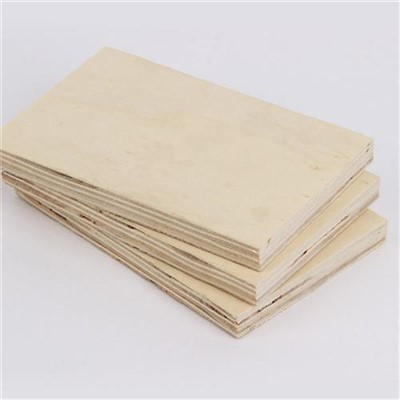


What is Poplar Plywood
Poplar plywood comes from poplar trees and are fast-growing trees from which wood is taken; to create plywood panels, an uneven number of wood layers are glued together to form the panel, creating an incredibly resistant and durable panel. When it comes to woodworking and construction materials, poplar plywood stands out as a versatile and eco-friendly option. This engineered wood product is crafted from layers of poplar wood veneers, bonded together with adhesives under heat and pressure. The result is a material that offers a range of benefits for various applications.
Benefits of Poplar Plywood
Lightweight and Easy to Handle
Poplar plywood is notably lighter than traditional hardwood plywood due to the lower density of poplar wood. At Specialised Panel Products we manufacture with "Robusta Poplar" a species that is denser than most European Poplar.
Smooth Surface
The fine and uniform texture of poplar wood provides a smooth surface that's ideal for finishing with paints, stains or varnishes. Our poplar A grade faces are free from plugs and open defects. This makes it a favourite among furniture makers and interior designers looking for a clean and uniform surface.
Strength and Durability
Despite its lightweight nature, poplar plywood maintains its structural integrity and strength. It can withstand moderate loads and is suitable for a wide range of applications, from cabinetry to shelving.
Cost-Effective Alternative
Poplar plywood offers an affordable alternative to other hardwood plywood options. It provides the look and feel of other hardwoods at a reduced cost, making it an excellent choice for budget-conscious projects.
Eco-Friendly Choice
Poplar is a fast-growing and renewable wood source. Choosing poplar plywood over more exotic or slow-growing woods helps reduce the demand for deforestation and supports sustainable forestry practices.
What are the Applications of Poplar Plywood
Furniture
From tables and chairs to cabinets and bed frames, poplar plywood's smooth surface and structural stability make it a popular choice in furniture-making.
Interior Design
With its plain & neutral faces the versatility in finishing makes poplar plywood a favoured material for interior panelling, ceilings and decorative elements.
Crafting
DIY enthusiasts and crafters appreciate poplar plywood for its ease of use in creating intricate designs and projects.
Model Making
Architects and designers often use poplar plywood to create detailed architectural models due to its precision cutting capabilities.
Renovation and Remodelling
When renovating or remodelling, poplar plywood can be used for internal wall cladding, built-in shelving, ceiling panels, joinery & shop fitting and other structural and aesthetic enhancements.
Types of Poplar Plywood
Construction Grade Poplar Plywood
This is the most basic type, suitable for general building and construction tasks where appearance isn't a primary concern. It has a thicker outer veneer and is stronger than some other construction-grade plywoods, making it suitable for framing, sheathing, and roofing.
Interior Poplar Plywood
Intended for indoor use only, this type is characterized by its smooth finish and is often used for cabinetry, furniture, and interior decoration. It has a higher-grade face veneer and is free from defects that would be visible after finishing.
Exterior Grade Poplar Plywood
Treated with waterproof glues and finishes, this type is suitable for outdoor applications. It can withstand exposure to the elements without delaminating or deteriorating.Engineered to bend without breaking, this type of plywood is used for curved structures or rounded surfaces. It is thinner and has more flexible adhesives than standard plywood.
Sanded Poplar Plywood
The surface veneers of this plywood are sanded smooth, which makes it ideal for applications requiring a very flat and finished look. It's commonly used in cabinetry, molding, and decorative elements.
Hardwood Overlay Poplar Plywood
This type features a thin hardwood veneer over the poplar core. The hardwood overlay provides a more premium appearance, making it suitable for high-end furniture and architectural millwork where a more luxurious look is desired.
Marine Grade Poplar Plywood
Although not as common as traditional marine plywood (which is typically made from tropical hardwoods), marine-grade poplar plywood is treated to be highly water-resistant and is suitable for boat building or any application that requires superior resistance to moisture.
Fire-Rated Poplar Plywood
This type contains special treatments that give it enhanced fire resistance, making it appropriate for areas where safety from fire is a critical consideration, such as certain parts of buildings or areas with electrical wiring behind the walls.
Poplar Plywood Features
Strength and Durability
Perhaps one of the most recognized traits of any kind of plywood is its renowned strength from laying thin sheets of wood veneer, and for good reason. Its density, for example, is higher than that of normal wood (meaning high strength) and higher than all other softwoods and even some hardwoods. , Its durability contributes to its value, with a strong composition that increases the longevity of the panel and makes it less susceptible to water damage.
Limitless possibilities
We mentioned above that poplar plywood is ideal for a great number of applications, thanks to its wide variety of options. We know that each project and, therefore, its needs, is unique. Compared with solid wood, plywood panels are simultaneously stiff yet bendable and come in a wide range of sizes, meaning that it can be shaped into the exact size or shape that you need for your project. That's why Garnica's poplar plywood panels are available in XL sizes and thicknesses up to 2”!
High Quality
Poplar plywood is a material that's renowned for its incredibly high quality when compared to other panels, like MDF. Its smooth surface is ideal for painting, laminating, or even veneering. In addition, it's easy-to-machine, specially poplar is recognized for its ease of cutting, sanding, or screwing.
Step 1
Pre-stain wood conditioner is an effective solution to blotchiness. So, before applying oil stain, apply one to two coats of wood conditioner. By doing this, a thin layer is formed on the wood surface and seals the wood grains, Which slows down the process of quick absorption of the stain.Keep the 15 to 20 minutes time interval between the first and second coats of wood conditioner. Allow the wood conditioner to dry well then move to the next step.
Step 2
After the Pre-Stain Wood Conditioner coats, an oil-based stain can be applied. Now this stain will consistently absorb and give a uniform look.Gel Stain: Gel stain is another staining option. It is a mineral spirit and resin mixed with the colorant to produce a thick gel. It is a dark brown that is applied with clean cotton.A pre-stain wood conditioner is not required before applying the gel stain. Due to the sufficient thickness, the gel stain dries slowly as compared to the oil stain. Gel stain absorbs consistently and gives a uniform look. The main disadvantage of gel stain is that it tends to overlap the natural color of the wood. So you will see the wood grain but the natural color of the wood is not visible.
How to Choose Poplar Plywood
Project Requirements
Determine the primary function of the plywood in your project. Is it for structural support, exterior use, interior decoration, or something else? This will help narrow down the types available.
Grade
Plywood is graded based on the quality of the veneer and the number of defects. Common grades for poplar plywood include "A" (smooth and defect-free), "B" (slightly imperfect), and "C" (more visible defects). For visible surfaces, choose a higher grade. For hidden areas, a lower grade might suffice.
Thickness and Core
Consider the thickness of the plywood required for your application. Thicker plywood is generally stronger but also heavier and more expensive. The core of the plywood can be made of multiple layers of poplar or a combination of poplar and other woods. A solid poplar core is usually preferable for strength and uniformity.
Surface Treatment
Decide if you need sanded or un-sanded plywood. Sanded plywood has a smoother finish and is easier to paint or stain. Un-sanded plywood may require more preparation work but can be cheaper.If the plywood will be exposed to moisture or outdoors, opt for moisture-resistant or waterproof plywood. These types have been treated with waterproof glues and may have additional protective coatings.
Fire Rating
For applications where fire resistance is crucial, choose fire-rated poplar plywood. This type has been treated to slow the spread of flames and can be essential in certain construction scenarios. If your project involves curved surfaces or rounded shapes, consider flexible poplar plywood. It is thinner and designed to bend without cracking.
Budget
Look for poplar plywood that is certified by organizations like the Forest Stewardship Council (FSC) to ensure that the wood is sourced sustainably.Set a budget for your project and compare prices across different suppliers and types of poplar plywood. Remember that the cheapest option may not always be the best value in the long run, especially if it doesn't meet all your project requirements.
How to Maintain Poplar Plywood
Repair Damage
Minor scratches and dents can be repaired with touch-up kits or by sanding and re-coating the affected area. More significant damage may require professional repair to restore the plywood's integrity and appearance.By following these maintenance guidelines, you can extend the life and retain the beauty of your poplar plywood, ensuring it remains a durable and attractive component in your projects.
Regular Cleaning
Dust the plywood regularly with a soft cloth or a microfiber duster to remove dust particles. For spills or stains, wipe them up promptly with a damp cloth and allow the surface to dry completely.Apply a sealer or finish coat such as varnish, paint, or wood stain to protect the surface. This creates a barrier against moisture, dirt, and scratches. Ensure to use products compatible with poplar wood.
Protect from Sunlight
UV rays can fade the finish and cause the wood to weaken over time. If possible, keep the plywood out of direct sunlight or use UV-protective coatings.Keep poplar plywood away from sources of moisture, such as leaky pipes or excessive humidity. If exposed to water, dry it immediately to prevent warping or swelling.
Avoid Scratches and Gouges
Handle the plywood with care to avoid scratches and gouges. When moving it, lift rather than drag to prevent damage to the surface. Use protective covers when necessary.Regularly inspect the plywood for signs of wear, damage, or insect infestation. Early detection and treatment can prevent extensive damage.
Storage
Store poplar plywood flat on a stable, dry surface. Stacking should be done evenly to prevent bowing or bending. If stacked upright, use supports at regular intervals to distribute weight evenly.When cutting or drilling into poplar plywood, use sharp tools to reduce splintering. Follow best practices for woodworking to minimize stress on the material.
Carbon sequestration
As poplar trees grow, they absorb CO2 from the atmosphere while releasing oxygen. They act as a carbon sink during their lifespan.As a carbon sink, poplar trees pull a lot of greenhouse gasses out of the atmosphere, helping to mitigate the climate crisis. And they can store a lot as they grow big and tall - some of the biggest hardwood trees in North America.
High availability
Poplar woods are highly available because these species distribute widely and abundantly in the US. Besides, these trees grow large and tall, providing plenty of timber.The forests in North America are abundant with poplar trees (true and all). Yellow poplar (or American tulipwood) alone accounts for 7.7% of the US hardwood growing stock. Aspen trees are also distributed widely in great numbers across the US forests.
Our factory
Caoxian Lulinfeng Machinery Co., Ltd. (formerly Shandong Caoxian Linfeng Machinery Factory) is a dedicated woodworking machinery manufacturer integrating R&D, manufacturing, sales and integration. Since the establishment of the company in 2006, it has been adhering to the principle of "reputation first, customer first" , Has won the trust of domestic users with the principles of integrity, trustworthiness and innovation. Now it has become one of the important domestic woodworking machinery manufacturers. The products are sold all over the country, which has played a strong role in promoting the development of China's board industry.The company mainly produces various wooden crafts such as straight-jointed boards, finger-joined boards, multi-layer boards, furniture fittings and so on. Our products are flexible in manufacturing, based on customer requirements, what kind of products you need, we guarantee to produce products that satisfy you.

FAQ
As one of the leading poplar plywood suppliers in China, we warmly welcome you to wholesale high-grade poplar plywood made in China here from our factory. All our products are with high quality and competitive price.
lowes poplar plywood, poplar wood sheets, 18mm Radiata Pine Plywood For Furniture