

Solid Wood Board
What is Solid Wood Board?
Solid wood board is a type of board made from a single piece of solid wood. It is typically used in cabinetry, furniture, and flooring. Solid wood boards are cut and planed to a specific thickness, and their width and length can vary depending on the wood stock available. They are often preferred over other types of boards because of their durability, strength, and natural beauty. Some of the most common types of woods used for solid wood boards include oak, maple, cherry, and walnut.
Why Choose Us

24h Online Service
You can contact us to inquire about pre-sales, sales, and after-sales services, and we will give you a very satisfactoryWe are at your service online 24 hours a day.
Rich Technical Experience
Our staff are some of the most experienced in the industry, providing product-correct advice and solutions, ensuring we provide our customers with technical expertise and service.
Strictly Control The Procurement
Insist on quality first, pursuing the concept of integrity, keep quality promise, establish a good corporate reputation and social image, improve customer satisfaction and customer.
One-stop Solution
With rich experience and one-to-one service,we can help you choose products and answer technical questions.


Types of Solid Wood Board
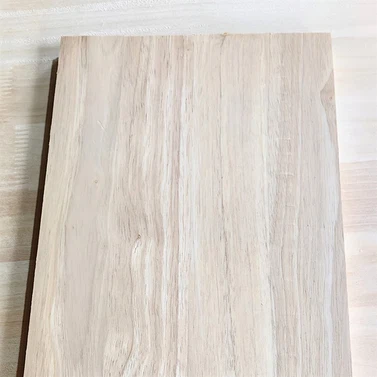
Hardwood Board
Hardwood lumber commonly comes from hickory, walnut, oak, maple, and mahogany trees. Hardwood trees require a longer time to come to maturity, so their lumber is more highly priced than softwood lumber.
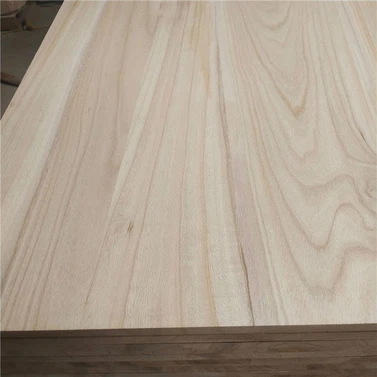
Plywood Board
Plywood is a composite material manufactured from thin layers, or "plies", of wood veneer that are glued together with adjacent layers, having their wood grain rotated up to 90° to one another.
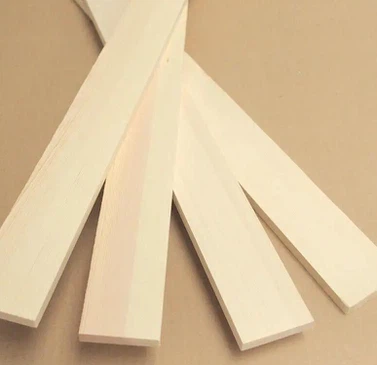
Particle Board
The lowdown on Particle Board is that it is a high density, strongly bonded, economical and general-purpose board made of large wood particles in the core and finer particles on sanded surfaces.
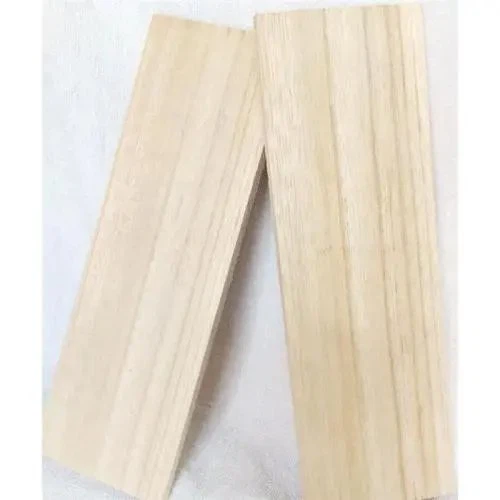
Softwood Board
Boards are used for a range of decorative applications where visual appearance is important and also for end-uses where lower-quality lumber is acceptable.
Application of Solid Wood Board
Flooring
Solid wood boards are an excellent option for flooring due to their durability and timeless appearance.
Furniture
Solid wood boards can be used to make high-quality furniture such as tables, chairs, and cabinets.
Wall paneling
Solid wood boards can be used to create beautiful wall paneling, adding warmth and texture to any interior space.
Doors and windows
Solid wood boards can be used to create elegant and sturdy doors and windows for homes and commercial buildings.
Cladding
Solid wood boards can be used as cladding on the exterior of buildings, providing a natural and attractive finish.
Decorative accents
Solid wood boards can be used to create decorative accents such as mantels, shelves, and moldings.
Why Solid Wood Board Has a Long Service Life?
Natural resistance to decay
Solid wood is naturally resistant to decay and insect damage. Trees produce their own defense mechanisms such as resin, pitch, and natural oils to protect themselves from fungal and insect attacks. When harvested, the wood retains these natural defenses that make it resistant to decay and insect damage. This natural resistance makes solid wood a durable, long-lasting material.
High-quality construction
Solid wood is known for its high-quality construction. Furniture made from solid wood is crafted by skilled artisans who use traditional joinery techniques to create a strong and durable piece.


Durability
Solid wood is incredibly durable. It can withstand heavy use, impact, and even extreme weather conditions. Solid wood is also resistant to moisture, which makes it ideal for use in areas with high humidity levels. Additionally, solid wood can be sanded and refinished multiple times to restore its natural beauty and extend its life span.
Timeless beauty
Solid wood is renowned for its natural beauty and timeless appeal. The unique patterns and colors of each piece of wood add character and warmth to any space. Solid wood furniture retains its beauty over time, regardless of changing trends and styles.
How Wood Goes from Forest to Solid Wood Board
Step1: Trees are cut down when they have reached maturity or beyond. The trees are cut into sections at specified lengths. solid wood board commonly is used in lengths up, though it can be found in even longer lengths. The tree’s branches are cut off, and the tree is delivered to the mill.
Step2: At the mill, the bark is removed. Rounded edges are removed to cut square logs, which are cut into slabs. The method maximizes lumber. It’s trued and trimmed square, and turned into lumber board. Boards are sorted by quality and classified by grade.
Step3: The highest grade wood is used for furniture, cabinets and musical instruments, followed by wood selected for wood flooring, construction and shipping pallets. Bark, saw dust and other wood fiber often are used for other purposes, such as being formed into pellets to be burned as fuel for heating a home.
Step4: Boards are stacked to facilitate air flow that air dries the wood, reducing moisture content of the wood. The goal is to reach 18-30 percent moisture content.
Step5: Kiln-drying uses heat (100 to 180 degrees Fahrenheit) and air flow to further reduce moisture content, to limit wood shrinkage and damage. The heat in the kiln also sterilizes the wood, eliminating insects and fungi. The wood is dried to six to nine percent moisture content.
Step6: Lumber is cut to desired length. Boards with knots and flaws are pulled out, according to grade. The board edges are milled for tongue and groove. The board faces are planed, and the backs are grooved. Tongue-and-groove tolerances are evaluated. The board ends are milled for tongue and groove. The wood flooring receives final grading, then it’s packaged, stored in a controlled environment and, ultimately, shipped.
How to Maintain Solid Wood Board
Try to avoid exposing solid wood boards to the sun to prevent the surface paint from prematurely aging and cracking under long-term exposure to ultraviolet rays. Solid wood boards should avoid being baked in an electric oven to avoid drying too quickly and cracking. If the solid wood board is not used for a long time, do not cover it with plastic sheeting or newspaper, because the paint film will become sticky and lose its luster over time; do not place hot water basins, hot rice pots, etc. directly on the solid wood surface to avoid Burn the paint film.
If part of the solid wood board is accidentally stained with stains, it should be removed in time. If there is oil stain, you can use a rag dipped in warm water and a small amount of washing powder to scrub. If it is medicine or pigment, it must be removed before the stain penetrates into the wooden surface. Solid wood boards should not be in contact with water for a long time, let alone hot water. Once water is spilled on the solid wood board, wipe it dry immediately.
Every few months, oil the board with a food-safe oil such as mineral oil or beeswax. Apply a generous amount and let it sit for a few hours before wiping off excess oil.
Store the board in a dry and cool place, away from moisture and humidity. Do not stack heavy items on top of the board.
Solid wood board can be stained or painted. In fact, solid wood is often chosen for its ability to take on different finishes and colors.
When staining a solid wood board, it's important to first sand it smooth and remove any existing finish or debris. Next, choose a stain that is appropriate for the wood species and apply it with a brush or cloth. Allow the stain to penetrate for the recommended amount of time before wiping away any excess. Finally, apply a sealant to protect the wood and enhance the color of the stain.
Painting a solid wood board follows a similar process. Sand the board smooth and clean off any debris. Apply a primer if necessary to help the paint adhere and prevent bleed-through. Next, apply the desired paint color with a brush or roller, allowing each coat to dry before applying the next. Finally, seal the paint with a clear coat or wax for protection and durability.
How To Choose Solid Wood Board
Wood Species
The type of wood species used in the construction of the board is an important consideration. Woods have different properties, including color, density, and durability. Some of the most commonly used woods for solid wood boards are oak, maple, cherry, and walnut. Each wood species has its unique characteristics that make it suitable for specific applications.
Board Configuration
Solid wood boards come in different sizes, thicknesses, and shapes. Common board configurations include planks, strips, and boards. When choosing a solid wood board, it is essential to consider the application and environment where it will be used. Thicker board is suitable for flooring, while a thinner board may be suitable for furniture.
Grain Pattern
The grain pattern is another essential consideration when selecting a solid wood board. The wood grain refers to the arrangement of fibers in the wood. The pattern can be straight, wavy, or erratic, depending on the wood species. Grain patterns affect the appearance and stability of the board.
Moisture Content
The moisture content of the solid wood board is another crucial consideration. Moisture content refers to the amount of water in the wood. If the wood is too wet, it may shrink or warp, creating problems in the final construction. Therefore, it is advisable to choose a solid wood board with a moisture content between 6% and 8%.
What Factors Affect the Quality of Solid Wood Board
Type Of Wood
Different types of wood have different characteristics which can affect the quality of the board. Some woods are more dense and sturdy, while others may be more prone to warping or cracking.
Moisture Content
Moisture content in the wood can also affect the quality of the board. Excessive moisture can cause the wood to warp or split, while too little moisture can cause the wood to become brittle.
Grain Orientation
The orientation of the grain can also affect the quality of the board. Proper grain orientation ensures strength and stability in the board.
Wood Defects
The presence of defects such as knots, cracks, or splits can also affect the quality of the board. These defects can weaken the structure of the wood and lead to future problems.
Manufacturing Process
The manufacturing process used to create the board can also affect its quality. Proper drying, cutting, and finishing techniques can result in a stronger and longer-lasting board.
Environmental Factors
Environmental factors such as temperature and humidity can also affect the quality of the board. Exposure to extreme temperatures or humidity can cause the wood to warp or crack.
How Do You Repair a Damaged Solid Wood Board
Assess The Damage
Take a close look at the board and determine the extent of the damage. Is it a small scratch or dent, or is there a larger crack or split in the wood? Understanding the severity of the damage will help you determine the best course of action.
Sand The Board
If the damage is minor, you may be able to sand the board down to remove any scratches or dents. Use fine-grit sandpaper and sand in the direction of the wood grain. Be careful not to sand too much or you could remove too much of the wood and make the damage worse.
Fill In Cracks Or Splits
If there is a crack or split in the wood, you'll need to fill it in with wood filler. Apply the filler according to the instructions on the package and smooth it out with a putty knife. Let the filler dry completely before sanding it down to match the surrounding wood.
Stain Or Varnish The Board
Once the repairs have been made, you may need to stain or varnish the board to match the rest of the wood. Choose a stain or varnish that matches the color and finish of the surrounding wood, and apply it according to the instructions on the package.
Seal The Board
Finally, you'll want to seal the board to protect it from further damage. Use a clear coat of polyurethane or sealant and apply it according to the instructions on the package. This will help prevent scratches, dents, and other damage in the future.
Since the establishment of the company in 2006, it has been adhering to the principle of "reputation first, customer first" , Has won the trust of domestic users with the principles of integrity, trustworthiness and innovation. Now it has become one of the important domestic woodworking machinery manufacturers. The products are sold all over the country, which has played a strong role in promoting the development of China's board industry.

FAQ
Q: What is meant by solid wood?
Q: What is the difference between wood and solid wood?
Q: What is the difference between solid wood board and plywood?
Q: Is solid wood better than MDF?
Q: Is solid wood good or not?
Q: Does solid wood last long?
Q: What is an example of a solid wood?
Q: Why is solid wood better?
Q: Is MDF considered solid wood?
Q: Which solid wood is best?
Q: When should you not use MDF?
Q: Is plywood heavier than solid wood?
Q: Should I use plywood or MDF?
Q: Why is solid wood expensive?
Q: Does solid wood crack?
Q: Does solid wood scratch easily?
Q: How can you tell if furniture is solid wood?
Q: Is solid wood better for furniture?
Q: How do you maintain solid wood?
Q: Is solid wood a laminate?
As one of the leading solid wood board suppliers in China, we warmly welcome you to wholesale high-grade solid wood board made in China here from our factory. All our products are with high quality and competitive price.
