How does Paulownia Wood perform in cold climates?
Paulownia wood has been gaining popularity in various industries due to its unique properties such as light - weight, strength, and sustainability. However, a question that often arises is how this wood performs in cold climates. As a reliable Paulownia wood supplier, I've had the opportunity to observe and study its behavior in such conditions, and I'm excited to share my insights with you.
Physical Properties of Paulownia Wood and Cold Climate Impact
One of the most distinctive features of Paulownia wood is its low density. This light - weight characteristic means that it has a relatively small amount of mass per unit volume. In cold climates, low - density woods are generally less prone to cracking and splitting due to the reduced internal stress caused by temperature changes. Unlike some heavier and more dense woods that can retain heat and then experience rapid cooling, Paulownia wood's low heat - storage capacity allows it to adapt more quickly to temperature drops without significant structural damage.
The cellular structure of Paulownia wood is another important factor. It has a large proportion of hollow cells, which act as natural insulation. In cold weather, these cells help to slow down the transfer of heat from the warmer side of the wood to the colder outside. This insulation property makes Paulownia an attractive option for building materials in cold - climate regions, as it can contribute to maintaining a more stable indoor temperature. For example, Soft Paulownia Solid Plank can be used in wall paneling to provide an extra layer of insulation against the cold.
However, the high moisture content in Paulownia wood can be a double - edged sword in cold climates. If the wood is not properly dried before use, the water within the cells can freeze. When water freezes, it expands, which can lead to internal pressure that may cause the wood to crack or split. Therefore, it is crucial to ensure that Paulownia wood products, such as Paulownia Solid Wood Board, are kiln - dried to an appropriate moisture level before installation in cold environments.
Durability in Cold Climates
When it comes to durability, Paulownia wood has shown promising results in cold climates. The natural resistance of Paulownia to decay and pests is beneficial in areas where cold temperatures may not completely eliminate the presence of fungi or insects. Although the cold can slow down the activity of these organisms, they can still cause damage over time. Paulownia's innate resistance helps to protect the wood from long - term deterioration.
However, the joint stability of Paulownia wood structures can be affected by cold temperatures. In products like Finger Joint Wood Plank, the joints need to be carefully designed and constructed. Cold temperatures can cause the wood to contract, which may put stress on the joints. Using high - quality adhesives and proper joining techniques is essential to ensure that the joints remain strong and stable in cold conditions.
Aesthetic and Workability in Cold Climates
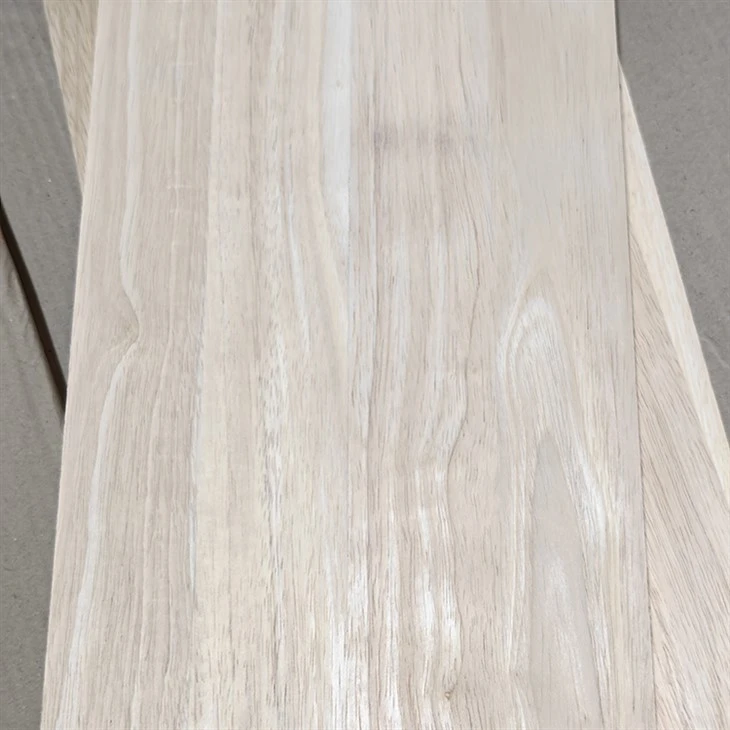
Paulownia wood has a beautiful, light - colored appearance that can add a touch of elegance to any space. In cold - climate regions, where the natural landscape may be dominated by snow and ice, the warm - toned Paulownia wood can create a cozy and inviting atmosphere indoors. For instance, 1cm Paulownia Board can be used for decorative purposes such as creating framed art pieces or wall accents.
In terms of workability, Paulownia wood is relatively easy to cut, shape, and finish, even in cold weather. The low density of the wood means that it requires less energy to work with compared to denser woods. This makes it a practical choice for construction projects in cold areas, where workers may be less inclined to handle materials that are difficult to manipulate in cold conditions.
Sustainability and Cold Climates
As an environmentally - conscious supplier, I'm proud to offer Environmentally Friendly Paulownia Logs. Paulownia trees grow extremely fast, which means they can absorb a large amount of carbon dioxide from the atmosphere in a relatively short period. In cold climates, where deforestation may be less common but climate change is still a concern, using Paulownia wood can be a sustainable way to build and furnish homes.
The fast - growing nature of Paulownia also allows for a more sustainable supply chain. In cold regions where natural resources may be scarce or difficult to access due to snow and ice, the ability to rely on a renewable and quickly - replenished source of wood like Paulownia is an advantage.
Tips for Using Paulownia Wood in Cold Climates
If you're considering using Paulownia wood in a cold - climate project, here are some tips to ensure its optimal performance:
- Proper Drying: As mentioned earlier, make sure the wood is kiln - dried to a moisture content of around 8 - 12%. This will reduce the risk of cracking and splitting due to freezing water within the cells.
- Installation: Install the wood during milder weather conditions if possible. This will allow the wood to gradually adapt to the cold climate and minimize the stress on the material.
- Protection: Apply a suitable protective finish to the wood. This can help to seal the pores and prevent moisture from entering, as well as providing an extra layer of protection against the cold.
- Joint Design: Use appropriate jointing techniques and high - quality adhesives to ensure the stability of the wood structure in cold temperatures.
Conclusion
In conclusion, Paulownia wood has several advantages when it comes to performance in cold climates. Its low density, insulation properties, durability, and aesthetic appeal make it a practical choice for various applications. However, proper handling, drying, and installation are crucial to ensure its long - term performance. As a Paulownia wood supplier, I'm committed to providing high - quality products that are suitable for different climates. If you're interested in sourcing Paulownia wood for your cold - climate project, feel free to contact me for a detailed discussion about your specific needs, including product selection, pricing, and delivery options. Let's work together to bring the beauty and functionality of Paulownia wood to your next project.