

What is the density of Paulownia Plank?
Hey there, folks! As a supplier of Paulownia Plank, I often get asked about the density of Paulownia Plank. It's a pretty important factor, especially if you're looking to use it for various projects. So, let's dive right in and explore what the density of Paulownia Plank is all about.
What is Paulownia Plank?
First off, for those who aren't familiar, Paulownia is a genus of hardwood trees native to eastern Asia. Paulownia Plank is made from the wood of these trees, and it's known for its light weight, high strength, and beautiful appearance. It's a popular choice for a wide range of applications, from furniture making to construction and even musical instrument production.
Understanding Wood Density
Before we talk about the density of Paulownia Plank specifically, let's quickly go over what wood density means. Wood density is basically a measure of how much mass a given volume of wood has. It's usually expressed in kilograms per cubic meter (kg/m³). A higher density generally means the wood is heavier, stronger, and more durable. However, it also means the wood may be more difficult to work with.
The Density of Paulownia Plank
Paulownia Plank is known for its relatively low density compared to many other types of wood. On average, the density of Paulownia wood ranges from about 250 - 400 kg/m³. This makes it one of the lightest hardwoods available. For comparison, oak, a common hardwood, has a density of around 600 - 900 kg/m³, which is significantly higher.
The low density of Paulownia Plank comes with several advantages. One of the biggest benefits is its ease of handling. It's much lighter than many other woods, which means it's easier to transport, cut, and install. This can save a lot of time and effort, especially for large projects.

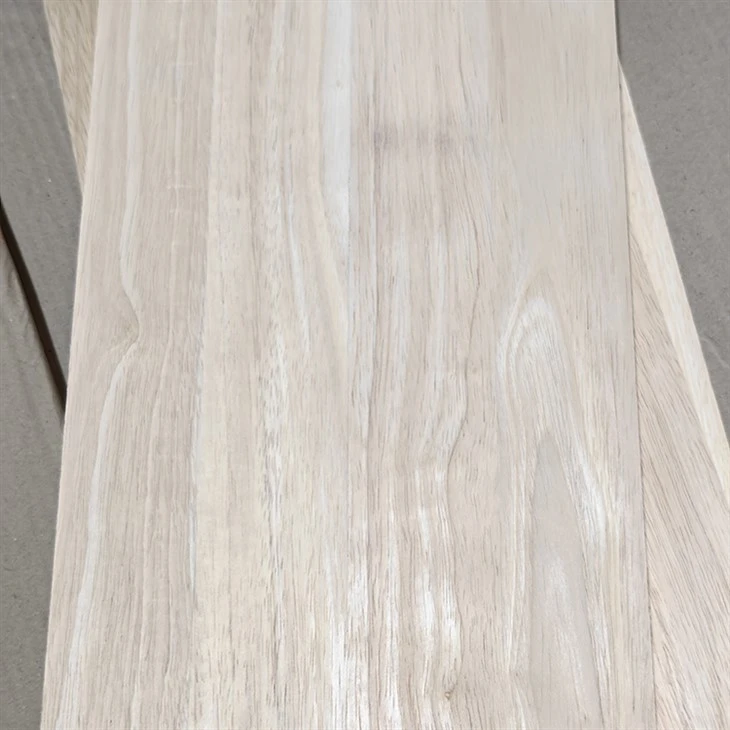
Another advantage is its excellent strength - to - weight ratio. Despite being lightweight, Paulownia Plank is surprisingly strong. This makes it ideal for applications where you need a material that's both light and able to withstand a certain amount of stress, like in the construction of lightweight furniture or in some structural components.
Factors Affecting the Density of Paulownia Plank
The density of Paulownia Plank can vary depending on several factors. One of the main factors is the age of the tree. Generally, wood from older Paulownia trees tends to be denser than that from younger trees. This is because as the tree grows, its cell walls thicken, increasing the mass of the wood.
The growing conditions also play a role. Trees that grow in areas with more sunlight, water, and nutrients may produce wood with a different density compared to those in less favorable conditions. For example, a Paulownia tree growing in a fertile, well - watered area may have a slightly lower density as it can grow more quickly, resulting in larger cells and less dense wood.
The part of the tree from which the plank is cut can also affect the density. Wood from the trunk of the tree is usually more uniform in density compared to wood from the branches. The heartwood, which is the inner part of the trunk, is often denser than the sapwood, which is the outer part.
Applications Based on Density
The low density of Paulownia Plank makes it suitable for a variety of applications.
Furniture Making
In furniture making, the light weight of Paulownia Plank is a huge plus. It makes the furniture easier to move around, which is great for pieces like chairs, tables, and cabinets that may need to be rearranged. You can check out our Soft Paulownia Solid Plank for some high - quality options that are perfect for furniture crafting.
Construction
In the construction industry, Paulownia Plank can be used for interior partitions, false ceilings, and even in some lightweight framing. Its low density means it won't add too much weight to the overall structure, which is important for buildings where weight is a concern. Our Finger Jointed Solid Wood Panels are a great choice for construction projects.
Musical Instruments
Paulownia Plank is also used in the production of musical instruments, especially those that require a lightweight yet resonant material. Guitars, for example, can benefit from the unique acoustic properties of Paulownia wood. Our 1cm Paulownia Board can be a good option for instrument makers.
Comparing with Other Woods
When compared to other woods commonly used in similar applications, Paulownia Plank stands out due to its low density. As mentioned earlier, compared to oak, it's much lighter. Pine, another common wood, has a density of around 400 - 500 kg/m³, which is still higher than Paulownia in most cases.
The lower density of Paulownia Plank also means it's more environmentally friendly in terms of transportation. Less weight means less fuel is needed to move the wood from the supplier to the end - user, reducing the carbon footprint.
Our Paulownia Plank Offerings
We offer a wide range of Paulownia Plank products to meet different needs. Whether you're looking for a Paulownia Finger Joint Board for a precise joinery project or a Paulownia Solid Wood Board for a more traditional application, we've got you covered.
All our products are carefully sourced from high - quality Paulownia trees. We ensure that the planks are processed to the highest standards, maintaining the ideal density and quality for your projects.
Contact Us for Procurement
If you're interested in purchasing Paulownia Plank for your next project, don't hesitate to get in touch. We're here to answer any questions you may have, provide samples, and discuss the best options for your specific needs. Whether you're a small - scale crafter or a large - scale construction company, we can work with you to meet your requirements.